Let’s be honest, when a spider appears in the corner of your living room or drops down unexpectedly from the ceiling, your first instinct might be panic.
But here’s the thing: most spiders aren’t out to get you. In fact, they’re some of the most misunderstood creatures that share our spaces.
More often than not, they’re just quietly going about their business, helping to control the bugs we actually don’t want around like mosquitoes, flies, and even cockroaches.
Instead of squashing them, why not show a little compassion and help them find their way back outside?
Why You Shouldn’t Kill Spiders
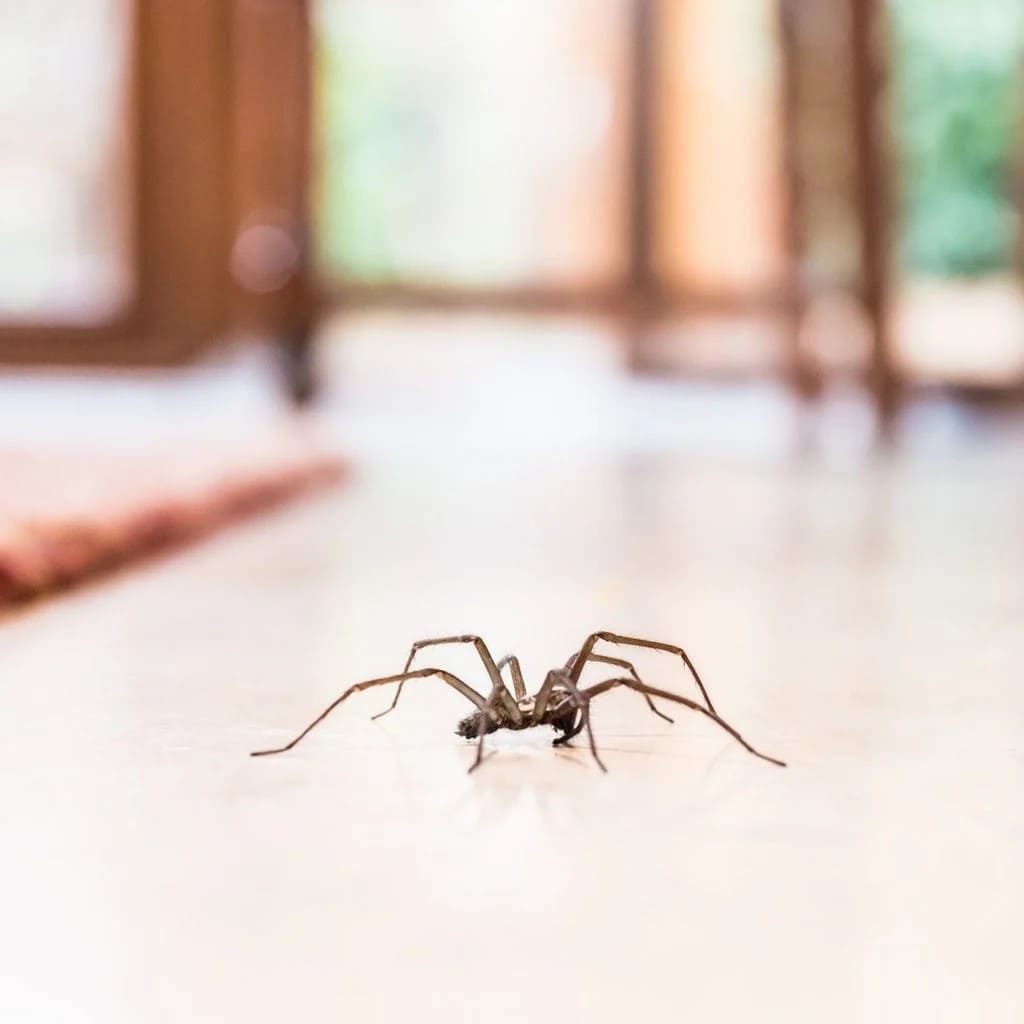
Despite their spooky reputation, spiders are beneficial to your home. They’re natural pest controllers, snacking on flies, moths, and other small bugs that tend to slip inside.
Outdoors, they’re part of a healthy ecosystem, contributing to biodiversity and even aiding in pollination through the plants they interact with.
The truth is, most spiders you encounter, especially house spiders, are not dangerous to humans.
They don’t want to bite you, and their venom if they have any at all is typically too mild to cause harm.
Killing them removes a helpful little ally from your home. And in most cases, it’s simply unnecessary.
Easy Ways to Relocate a Spider
The Classic Cup-and-Paper Trick
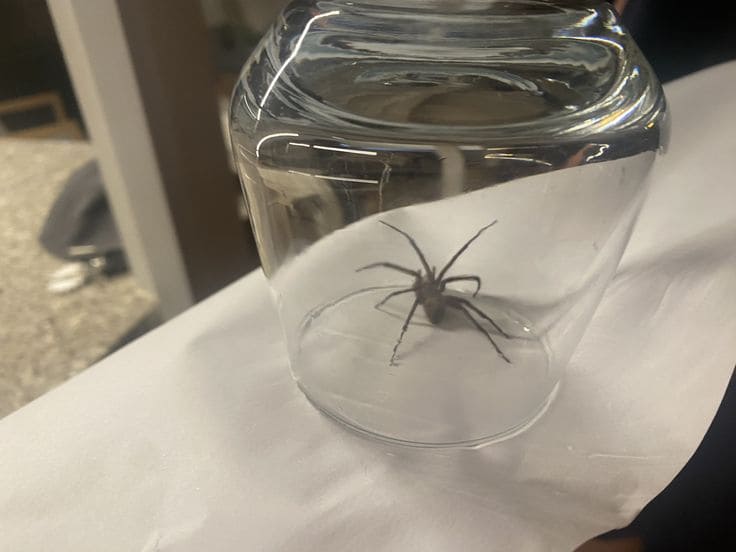
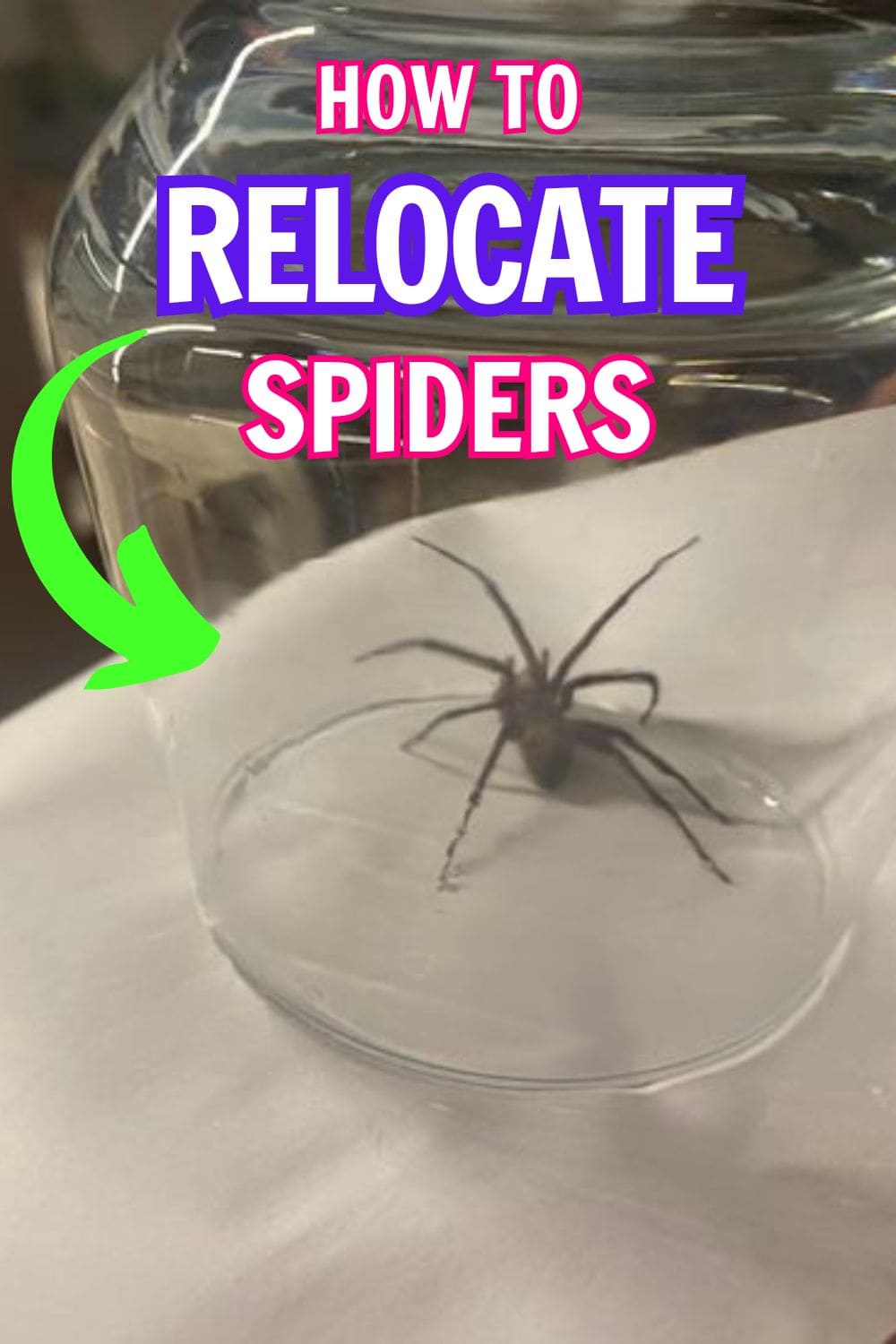
This is the go-to method for many spider-respecters. Just place a glass or jar gently over the spider, then slide a stiff piece of paper or cardboard underneath.
Once the spider is safely inside, carry it outside and let it go in a shaded spot or under a bush. It’s quick, safe, and doesn’t harm the little guy.
Spider Catchers
If you’re not a fan of getting too close, there are tools made just for this.
Spider catchers are handheld gadgets that either use soft bristles or gentle suction to grab spiders from a distance. They let you catch and release without ever getting too close.
The Container and Brush Combo
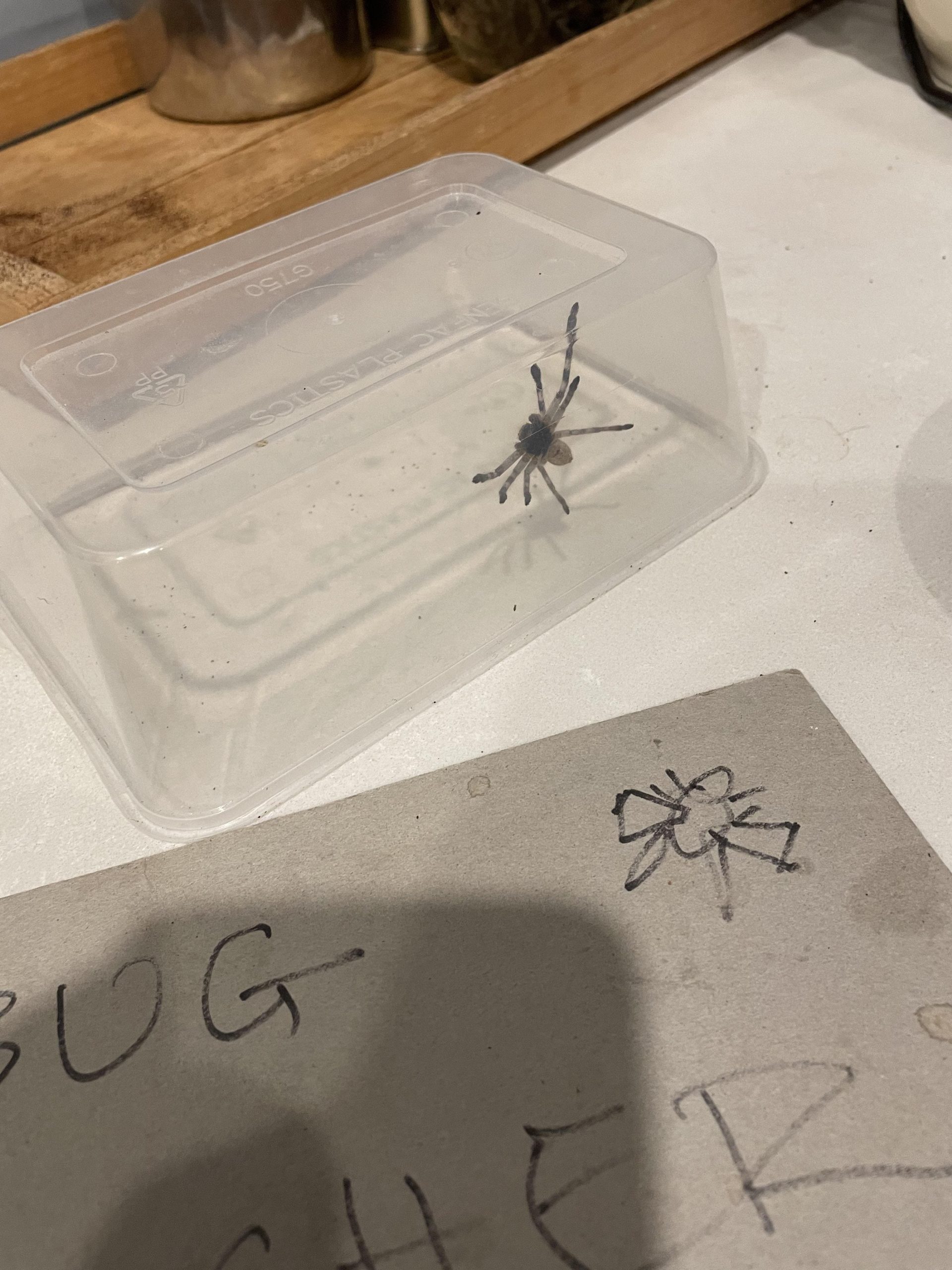
Got a spider in a corner or on the ceiling? Use a small container like a takeout tub or yogurt cup and gently guide the spider in with a soft brush, piece of paper, or even a leaf.
Once it’s inside, cover the container and release the spider outdoors.
Gently Guide Them Out
Sometimes, you can simply open a door or window and lightly guide the spider in that direction using a soft broom or even a piece of paper.
It may take a few minutes, but many spiders will happily crawl to freedom if given the chance.
Just Let It Be
Not every spider needs to be moved. If it’s in a low-traffic spot like a basement corner or attic, it might be doing you a favor by keeping other bugs in check.
Many spiders are temporary visitors anyway and will find their own way out.
Keeping Spiders Out Kindly
If you’d rather not find yourself face to face with spiders every few days, there are kind, non-toxic ways to discourage them from coming in without harming them or the environment.
The first step is sealing up your space. Spiders are experts at sneaking through tiny cracks and gaps around windows, doors, and baseboards.
A little caulking and weather stripping can go a long way in making your home less accessible to them.
Keeping your home clean and clutter-free also makes a big difference. Spiders love dark, quiet spots, behind furniture, in storage boxes, under piles of clothes.
Regularly vacuuming, especially in corners and along the edges of walls, helps remove any webs and discourages them from settling in.
For a more proactive approach, you can use natural repellents. Spiders dislike strong scents like peppermint, citrus, vinegar, and eucalyptus.
You try making a DIY spray by mixing a few drops of essential oil with water and lightly misting areas like windowsills, doorways, or under sinks. It’s safe, smells great, and gently tells spiders to look elsewhere.
Finally, if you live in an area where bugs are drawn to porch or patio lights, consider turning them off when not in use. Insects flock to light, and where bugs go, spiders often follow.
By reducing that attraction, you’re also reducing the chances of spiders wandering in.
A Small Act of Kindness
Choosing to relocate a spider instead of squashing it might not seem like a big deal, but it’s a small act of kindness that ripples outward.
It shows a willingness to coexist, a respect for life, and a recognition that not every creature needs to be feared or destroyed just because it surprised us.
With a cup, a little patience, and a gentle mindset, we can turn a moment of discomfort into a quiet, compassionate interaction.