Honey bee colonies depend heavily on pollen and nectar for survival, yet there are times when natural food sources become scarce.
Droughts, seasonal transitions, habitat loss, or sudden weather shifts can leave colonies without the nutrition they need to raise brood and maintain strength.
This is why supplemental feeding has always been part of beekeeping.
Traditionally, beekeepers rely on sugar syrup, pollen patties, or commercially formulated protein substitutes. In the past few years, however, they feed bananas to honey bees.
While this practice is not widely adopted, it has become a topic of curiosity among hobbyist beekeepers who are eager to find natural, low-cost supplements that provide more than just sugar.
Why Bananas Are Being Considered for Bee Nutrition
Bananas contain a surprising range of nutrients that may be beneficial for bees. They are naturally rich in potassium, which supports cellular and metabolic function.
They also contain magnesium, vitamin B6, and a collection of natural sugars such as glucose, fructose, and sucrose.
These components give bananas a nutritional profile that goes beyond simple carbohydrates.
Because bananas have a soft, easily chewable texture, bees appear able to break down both the fruit and the peel, turning the material into a mush that resembles pollen substitute.
This has led some beekeepers to believe bananas may temporarily support brood rearing, especially when pollen is unavailable.
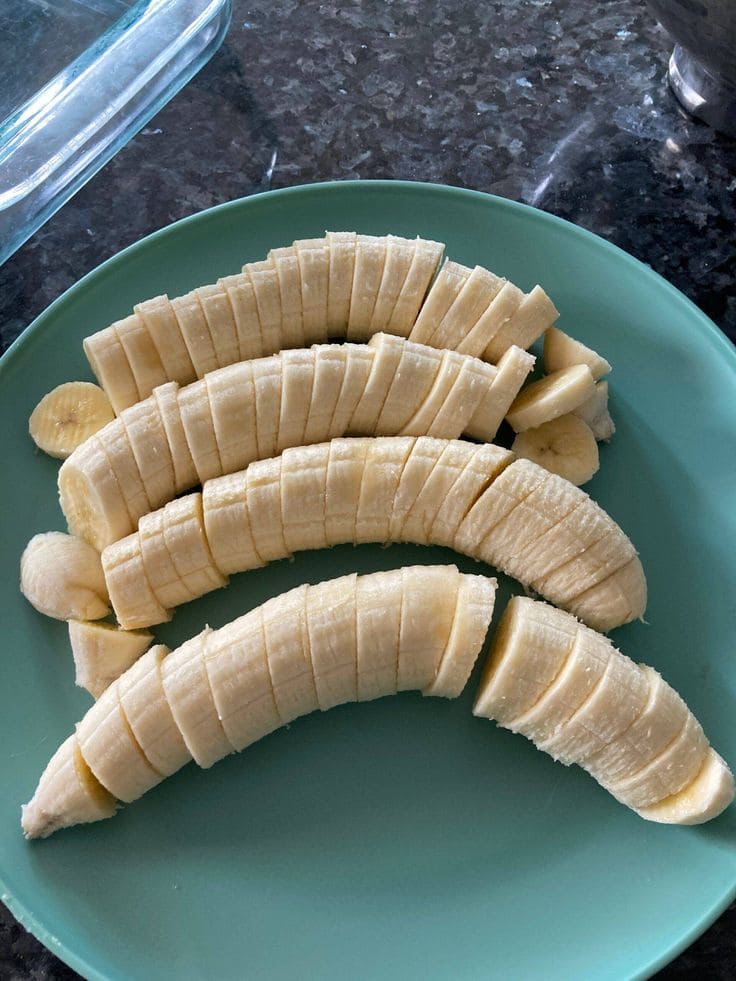
Also, unlike commercial supplements, which can be costly or hard to obtain in remote areas, bananas are inexpensive, accessible, and require no preparation beyond slicing.
What Beekeepers Report When Using Bananas
Many of them describe noticeable increases in hive activity shortly after bananas are introduced.
Workers begin moving more actively inside the hive, and foragers appear more motivated to seek food outside.
Some beekeepers also report expansion in brood production during pollen shortages, suggesting that banana feeding may help colonies maintain momentum when natural resources are temporarily low.
The way colonies react, however, varies significantly.
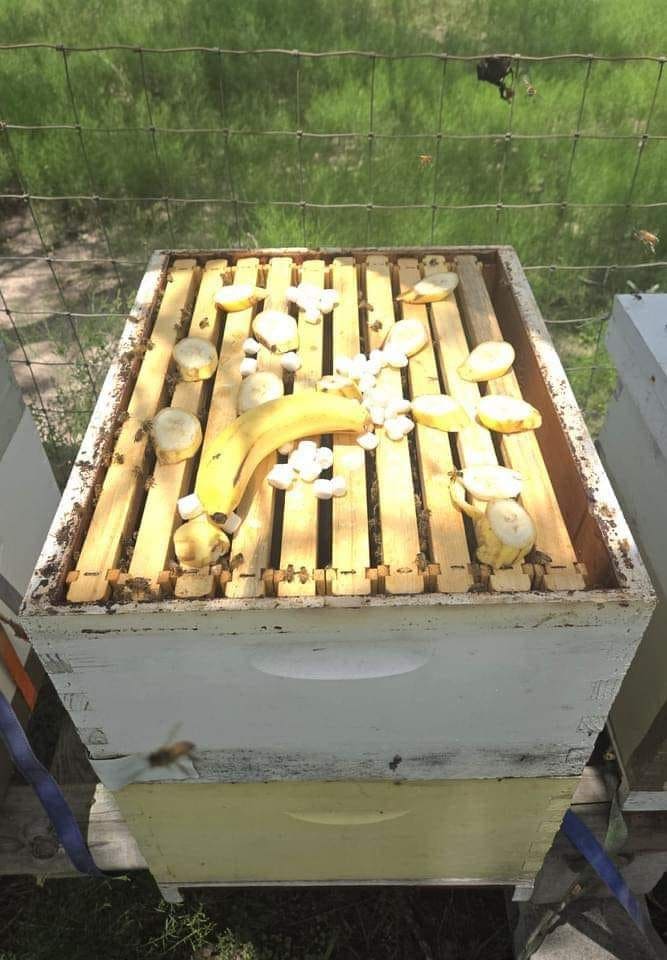
Some hives immediately consume the bananas, chewing through both the fruit and the peel. Others inspect the slices and ignore them completely.
This difference in behavior may depend on the time of year, the colony’s nutritional needs, or simply the bees’ preference.
How Bananas Are Typically Fed to Bees

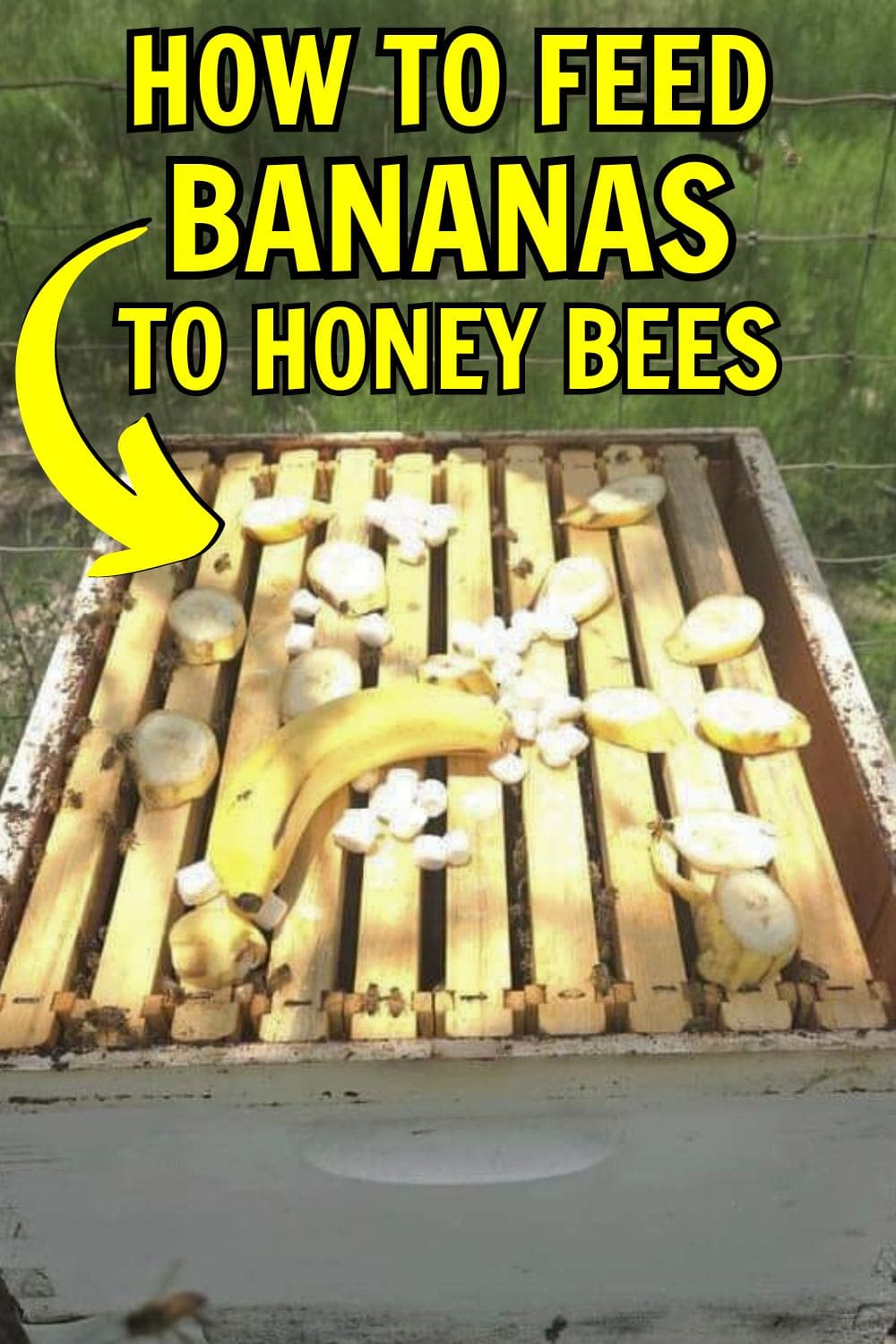
A ripe banana is sliced into small pieces and placed on top of the hive frames or on a feeding board.
Some beekeepers leave the peel attached because the bees appear to chew through it without difficulty.
The bananas are added during periods when bees are most likely to accept supplemental feeding, such as early spring before flowers bloom, during drought conditions, or in late winter when colonies are short on pollen.
Uneaten fruit must always be removed within a day or two. Bananas spoil quickly in warm environments, and if left too long, they can mold or ferment.
Mold is harmful to hive hygiene, and fermentation can create alcohols that may disturb colony behavior.
Potential Benefits Observed by Beekeepers

Beekeepers who advocate for banana feeding often mention several positive effects. The most common claim is that bananas act as a mild nutritional booster during times of scarcity.
While they do not contain the complete protein profile found in natural pollen, they do provide micronutrients that may help sustain brood development when alternatives are limited.
Some beekeepers believe the mashed banana material is incorporated into a substance resembling bee bread, giving larvae access to additional carbohydrates and minerals.
There are also reports of colonies showing improved behavior, appearing less stressed and more balanced when bananas are provided in small amounts.
Plus, bananas cost far less than commercial pollen patties, making them an accessible option for beekeepers who manage multiple hives or operate in areas where specialty products are unavailable.
Risks, Limitations, and Scientific Concerns
Despite the growing interest, banana feeding comes with important limitations. The most significant concern is that bananas do not replace pollen.
Honey bees require a wide range of amino acids for proper development, and pollen is their primary source.
Bananas do not offer the full nutritional complexity needed for long-term colony health. For this reason, bananas should be viewed strictly as a short-term supplement rather than a sustained feeding strategy.
Spoilage is another concern. Because bananas soften and decompose quickly, especially in warm climates, they can introduce mold into the hive if left too long.
Mold compromises hive cleanliness and may lead to additional health problems.
Fruit inside a hive can also attract pests such as ants, fruit flies, and small hive beetles. These pests can stress a colony, introduce bacteria, or cause damage to honeycomb.
For beekeepers considering banana feeding, cleanliness and frequent monitoring are essential.
Is Banana Feeding Safe for Bees?
In small amounts and under careful supervision, banana feeding appears to be safe for most colonies.
Bees that are interested in the fruit will consume it quickly, and hives that do not want it simply leave it untouched.
Problems generally arise only when fruit is left for too long or offered during times when the colony does not need supplementation.
For safety, beekeepers should always monitor the hive closely, remove uneaten fruit promptly, and avoid using overripe or fermented bananas.
Who Might Consider Trying This Method
Banana feeding is most often tried by hobbyist beekeepers or those who enjoy experimenting with natural supplements.
It may be useful in areas with unpredictable pollen flows or for colonies recovering from temporary stress, such as queen replacement or seasonal instability.
It is less practical for commercial beekeeping, where consistency and scientific backing are essential.