Garden & Crafty - Garden, DIY, Home
No Result
View All Result
  • GARDEN
    • Garden Tips
    • Garden Guide
    • Garden Care
    • Garden Ideas
  • DIY
    • Diy Project
    • Crafty Ideas
  • HOME
    • Decoration
    • Cleaning
    • Tips & Hacks
  • About Us
  • GARDEN
    • Garden Tips
    • Garden Guide
    • Garden Care
    • Garden Ideas
  • DIY
    • Diy Project
    • Crafty Ideas
  • HOME
    • Decoration
    • Cleaning
    • Tips & Hacks
  • About Us
No Result
View All Result
Garden & Crafty - Garden, DIY, Home
Home GARDEN Garden Guide

Complete Guide to 3 Simple Ways to Propagate Sansevieria Successfully

Lois Capone by Lois Capone
November 20, 2024
in Garden Guide
Reading Time: 3 mins read

IN THIS ARTICLE:

Toggle
  • 3 Methods to Propagate Sansevieria
  • Caring for Newly Propagated Sansevieria
  • Common Mistakes to Avoid

Sansevieria, popularly known as the snake plant or mother-in-law’s tongue, is a stunning and hardy houseplant adored for its sword-like leaves and air-purifying qualities.

Over time, snake plants can become root-bound or outgrow their pots, and propagation offers a way to refresh and rejuvenate them.

Plus, propagating is a fun and sustainable way to share your love of greenery with friends and family.


3 Methods to Propagate Sansevieria

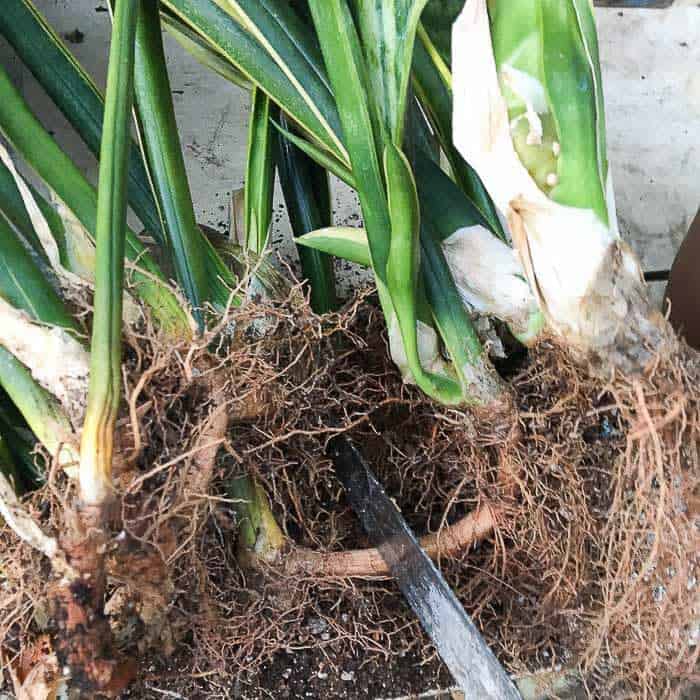
1. Division

Division is the easiest method and provides instant results. This is ideal for mature snake plants that have multiple clumps or have become overcrowded in their pots.

How to Propagate by Division:

  1. Firstly, you gently remove the snake plant from its pot and shake off the soil to expose the roots.
  2. Now, you need to identify natural separations in the plant, where the leaves and roots form distinct clusters.
  3. Use a clean, sharp knife or pruning shears to separate these sections, ensuring each division has at least one healthy root and leaf cluster.
  4. Next, repot each division into a fresh pot with well-draining soil.
Complete Guide to 3 Simple Ways to Propagate Sansevieria Successfully


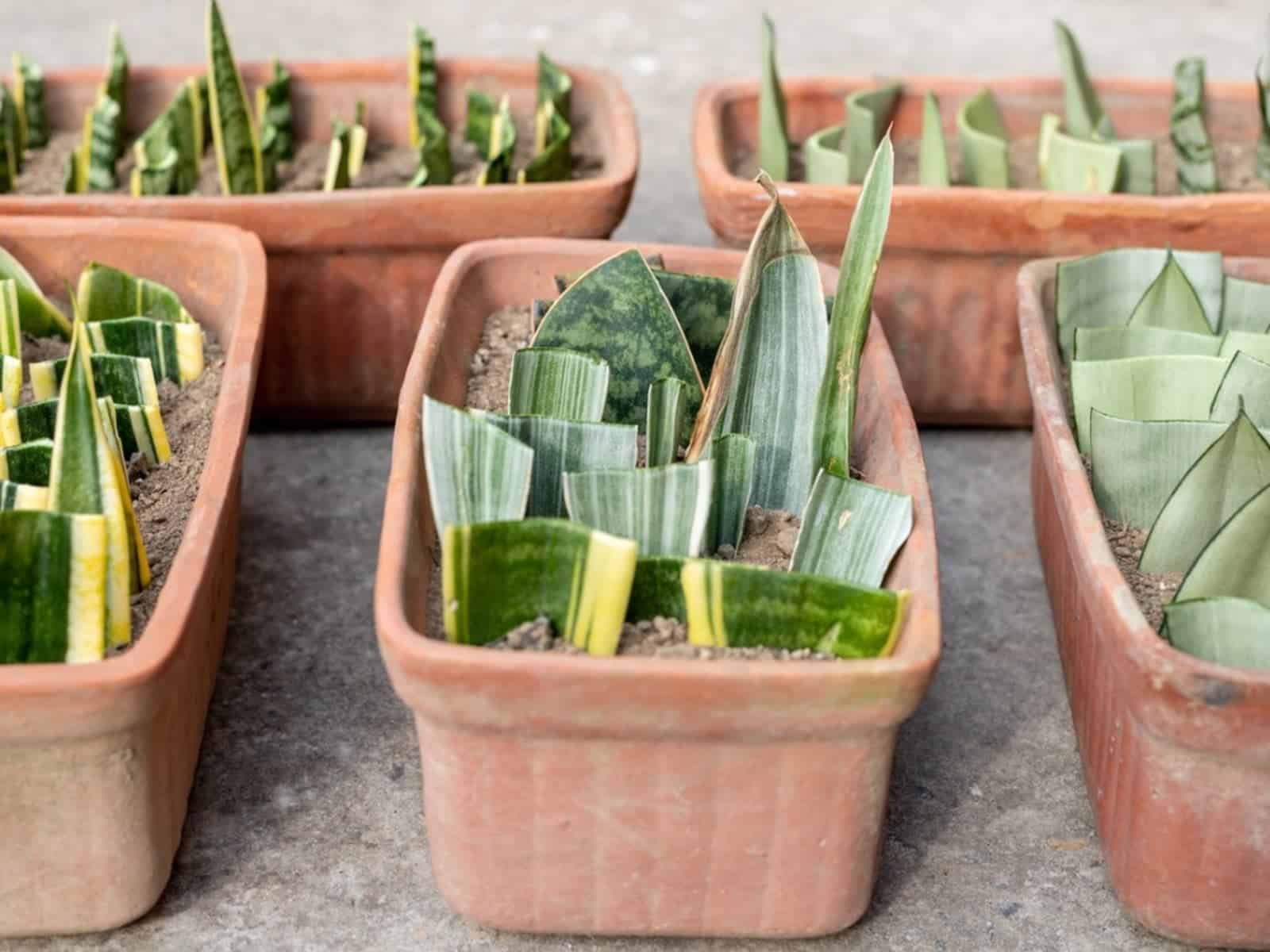
2. Leaf Cuttings

Leaf cuttings are a versatile method that allows you to propagate multiple plants from a single leaf. This approach takes more time but is perfect if you want to maximize your propagation efforts.

Propagating in Soil:

  1. First, you choose a healthy, mature leaf and cut it near the base using a clean knife.
  2. Divide the leaf into 4–6-inch sections, ensuring you remember which end is the bottom (the end that was closer to the roots).
  3. Next, let the cuttings dry for 1–2 days to form calluses, which help prevent rot.
  4. Finally, you plant the cuttings upright in well-draining soil, burying the bottom inch of each cutting.
Complete Guide to 3 Simple Ways to Propagate Sansevieria Successfully


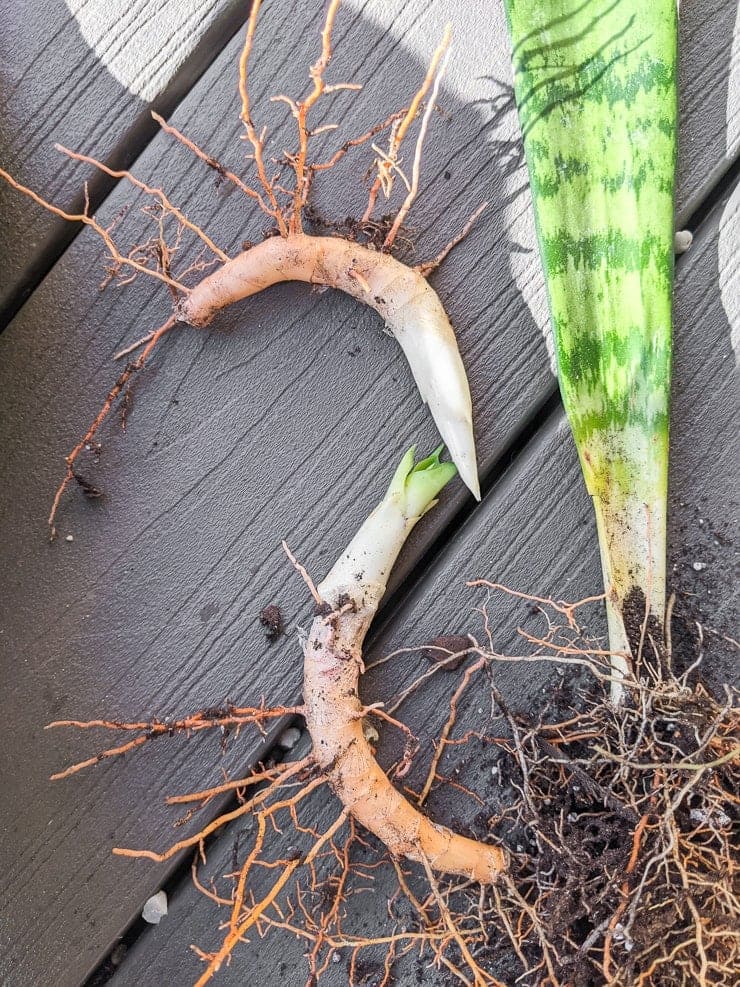
3. Rhizome Propagation

Sansevieria grows from underground rhizomes, thick structures that produce new shoots or “pups.” Propagating from rhizomes is effective and works well for plants with lots of new growth.

How to Propagate from Rhizomes:

  1. Firstly, you carefully remove the plant from its pot and clean the soil off the roots to expose the rhizomes.
  2. Locate rhizomes with visible pups or small offshoots.
  3. Now you use a clean knife to cut the rhizomes into sections, ensuring each piece has roots and at least one shoot.
  4. Plant the rhizome sections in fresh soil, with the pup or shoot above the surface.
Complete Guide to 3 Simple Ways to Propagate Sansevieria Successfully


Caring for Newly Propagated Sansevieria

After propagating your snake plant, you need to place your plants in bright, indirect light. Direct sunlight can scorch the leaves, while low light slows growth.

In addition, allow the soil to dry out between waterings. Feed your plants with a balanced houseplant fertilizer during the growing season (spring and summer) to encourage healthy growth.

Complete Guide to 3 Simple Ways to Propagate Sansevieria Successfully


Common Mistakes to Avoid

If you’re using leaf cuttings, planting the wrong end will prevent root growth. Always plant the bottom end. Besides, ailing to let cuttings dry before planting can lead to rot.

While snake plants tolerate low light, new cuttings need bright, indirect light to grow roots.
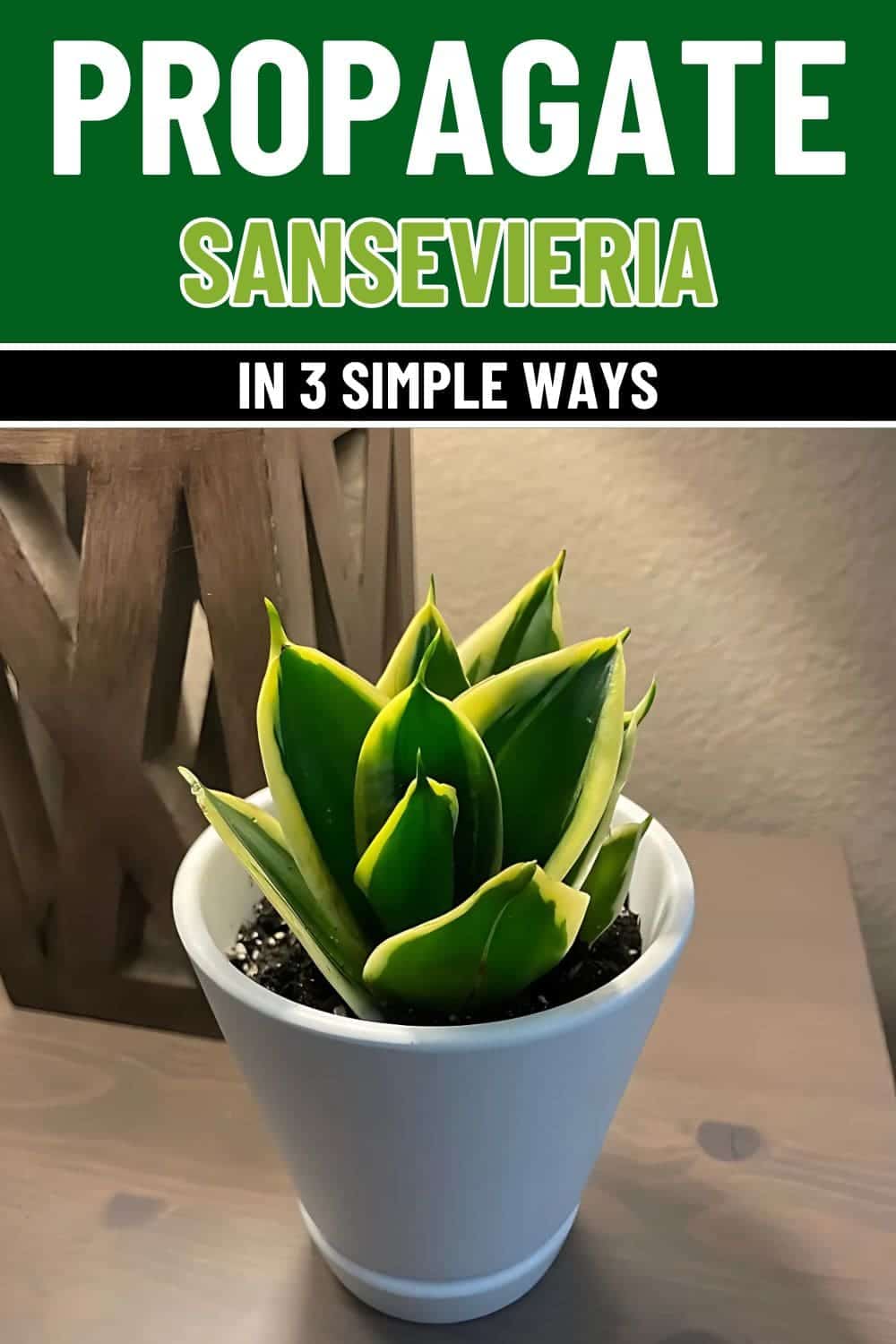
 

Complete Guide to 3 Simple Ways to Propagate Sansevieria Successfully
Tags: mother-in-law’s tonguesansevieriasnake plant
SharePin6
Lois Capone

Lois Capone

Lois Capone is a wife and mom in her 50s who enjoys sharing gardening, DIY tips, and home decor ideas. She believes that with some inspiration, anyone can create a special feel in their home and garden.

Related Posts

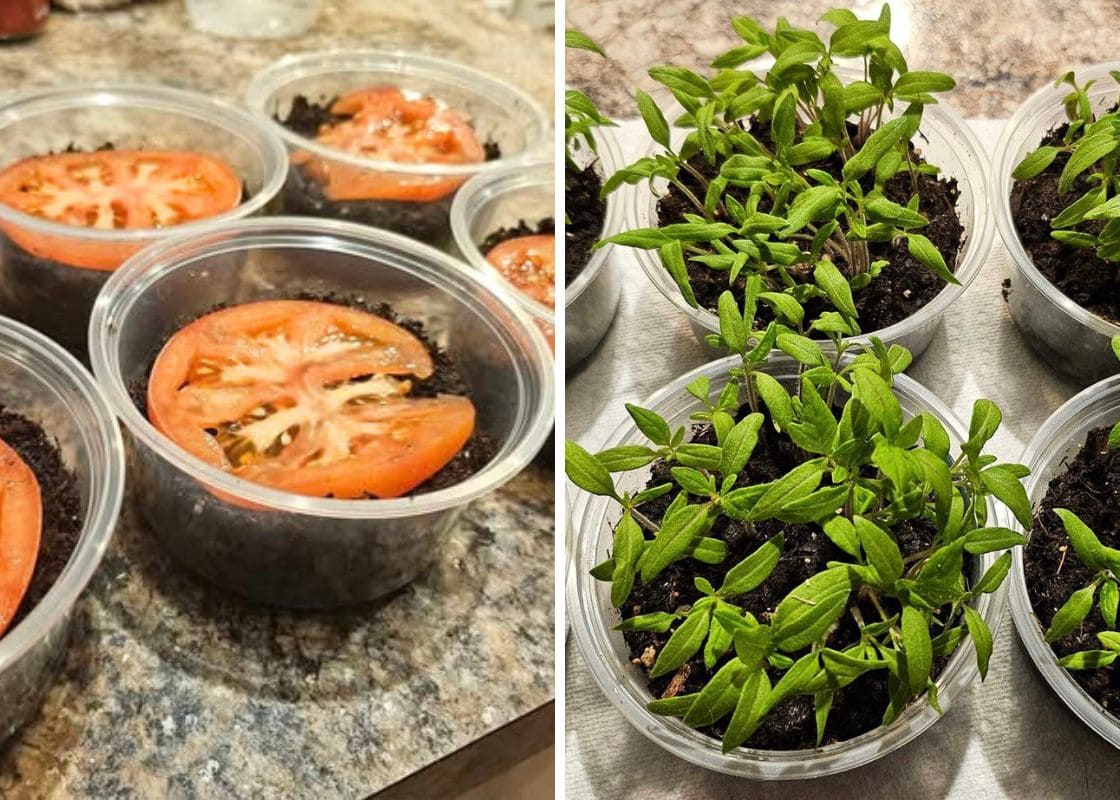
One Single Tomato Can Give Nearly 200 New Plants. Here’s Way
Garden Guide

One Single Tomato Can Give Nearly 200 New Plants. Here’s Way

Imagine slicing open a single tomato, planting it in soil, and just weeks later seeing trays filled with bright green...

by Lois Capone
October 31, 2025
Make Rich Compost in Just 18 Days with the Berkeley Method
Garden Guide

Make Rich Compost in Just 18 Days with the Berkeley Method

When I first started composting, I thought it would be a slow and patient process. I’d pile up kitchen scraps...

by Lois Capone
October 30, 2025
How to Grow Black Pepper in a Pot 100% Success
Garden Guide

How to Grow Black Pepper in a Pot 100% Success

Freshly cracked black pepper might be a kitchen essential, but few people know it’s something you can actually grow at...

by Lois Capone
October 20, 2025
How to Grow Corn Successfully for Beginners
Garden Guide

How to Grow Corn Successfully for Beginners

I still remember the first time I grew corn. I had no idea what I was doing, just a handful...

by Lois Capone
October 19, 2025
How to Grow Roselle Hibiscus from Seeds
Garden Guide

How to Grow Roselle Hibiscus from Seeds

Roselle hibiscus is a treasure trove of color, culture, and culinary possibilities. Known for its vibrant crimson calyces, Roselle is...

by Lois Capone
October 19, 2025
How to Build a Shipping Container Root Cellar
Garden Guide

How to Build a Shipping Container Root Cellar

Long before refrigerators and freezers became household staples, people relied on root cellars to preserve food through the seasons. A...

by Lois Capone
October 17, 2025
Load More

Leave a Reply Cancel reply

Your email address will not be published. Required fields are marked *

Recipe Rating


Categories

  • Cleaning (6)
  • Crafty Ideas (195)
  • Decoration (172)
  • DIY (8)
  • Diy Project (297)
  • GARDEN (39)
  • Garden Care (65)
  • Garden Guide (141)
  • Garden Ideas (364)
  • Garden Tips (152)
  • Guide (688)
  • HOME (90)
  • Tips & Hacks (22)


Garden & Crafty - Garden, DIY, Home

© 2024 gardenandcrafty.com

Navigate Site

  • About Us
  • Privacy Policy
  • Terms Of Service
  • Disclaimer
  • Cookie Policy
  • Webstories
  • Sitemap

Follow Us

No Result
View All Result
  • GARDEN
    • Garden Tips
    • Garden Guide
    • Garden Care
    • Garden Ideas
  • DIY
    • Diy Project
    • Crafty Ideas
  • HOME
    • Decoration
    • Cleaning
    • Tips & Hacks
  • About Us