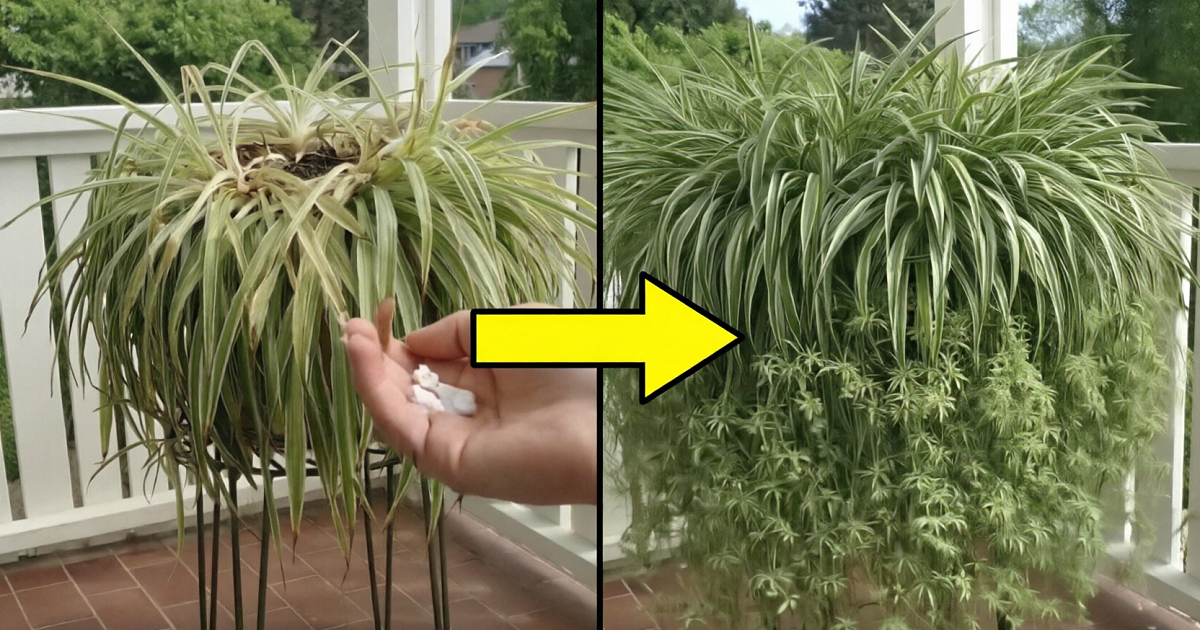
Cornmeal is a simple, budget-friendly garden material often used as a gentle ant barrier around young plants, vegetable beds, and problem spots where ants keep traveling. It is easy to sprinkle, safe to handle, and much less harsh than chemical sprays. This method works best as a light prevention trick, not a guaranteed ant killer. I like it for garden paths, leafy greens, raised beds, and small areas where you want to discourage ants without disturbing your plants or soil too much.
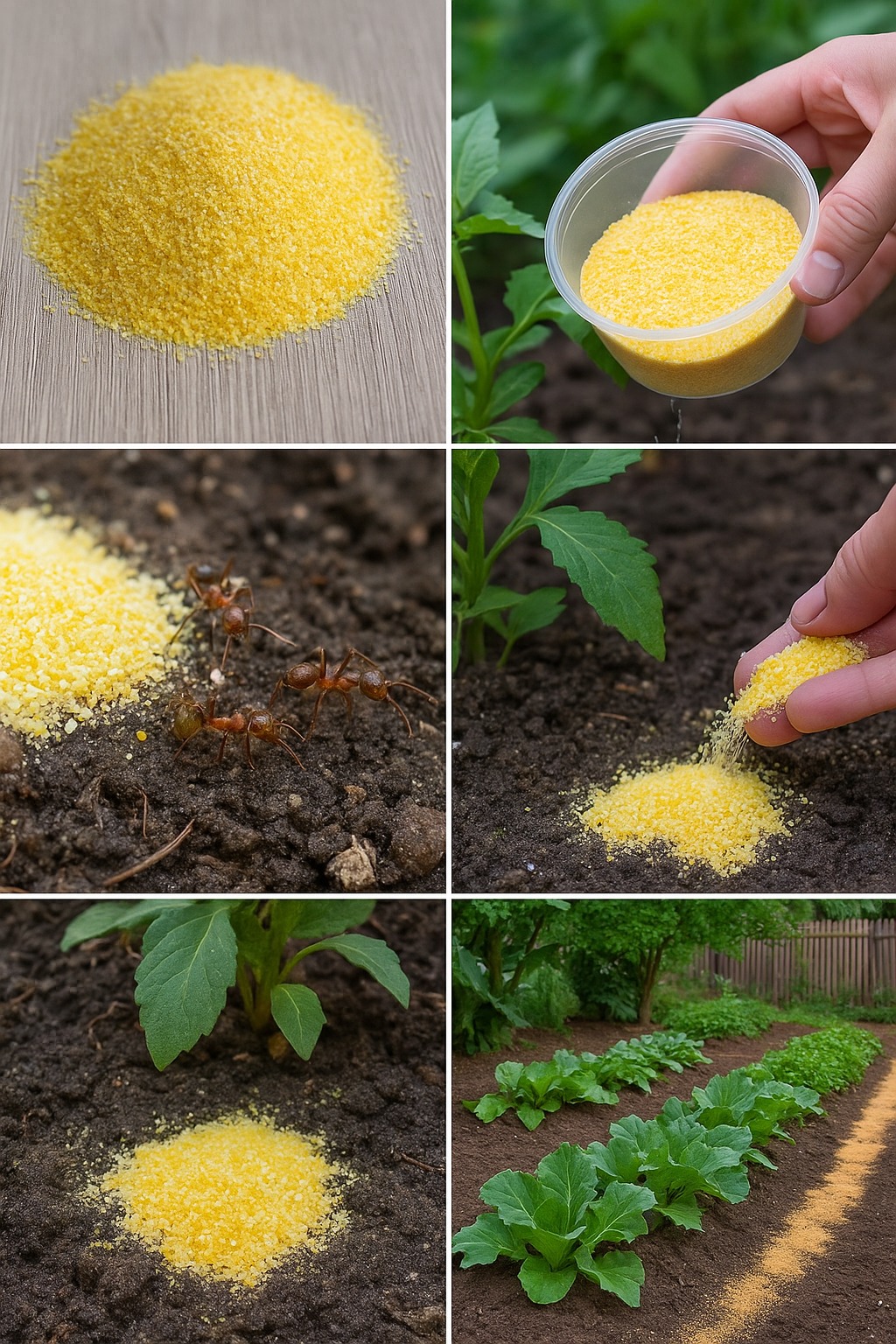
Step-by-Step Guide: How to Use Cornmeal for Ant Control in the Garden
Step 1: Choose Plain Yellow Cornmeal
Start with plain, dry yellow cornmeal. Avoid flavored mixes, sweetened products, cornbread mix, or anything with added salt, sugar, oil, or seasoning. The cleaner the ingredient, the better it is for garden use.
A small bag is enough for several applications. Fine or medium-ground cornmeal both work, though medium texture is easier to see on dark soil.
Step 2: Locate the Ant Trails
Watch the garden for a few minutes before applying anything. Ants usually follow clear trails along the soil surface, raised bed edges, plant stems, paths, or near containers.
Focus on the active areas instead of spreading cornmeal across the whole garden. This saves material and keeps the space neater.
Step 3: Sprinkle a Thin Line Around the Problem Area
Pour a small amount of cornmeal into a cup or container. Sprinkle a thin line near the ant trail, around the base of affected plants, or beside garden rows.
Keep the cornmeal slightly away from the plant stem. A small ring around the soil surface is enough. Thick piles are unnecessary and can become messy after watering.
Step 4: Create a Light Barrier Near Garden Beds
For larger areas, make a narrow cornmeal strip along the edge of the bed or garden path. This works well near lettuce, cabbage, spinach, herbs, and young seedlings where ants often move through soft soil.
Try to keep the line even. A clean barrier makes it easier to see whether ants are still crossing the area later.
Step 5: Leave It Dry for Best Results
Cornmeal works better when it stays dry and loose. Apply it on a dry day, preferably when rain is not expected for at least 24 hours.
Avoid watering directly over the cornmeal right after application. Moisture can make it clump, sink into the soil, or lose its barrier effect faster.
Step 6: Reapply After Rain or Heavy Watering
Check the area after rain, irrigation, or strong wind. If the cornmeal has disappeared, clumped, or mixed into the soil, sprinkle a fresh thin layer.
Repeat every few days until ant activity slows down. For heavy infestations, combine this with better garden cleanup, removing fallen fruit, controlling aphids, and sealing nearby food sources.